

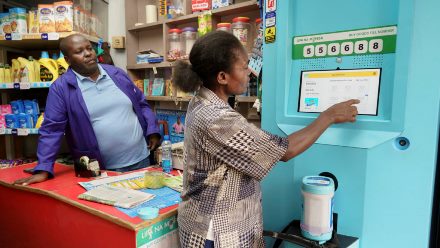

A sudden shortage of KOKO bioethanol cooking fuel has sparked widespread alarm across the country especially informal settlements.
This biting shortage has interrupted daily lives and crippled small normal operations in homes and businesses.

According to customers of KOKO, refill stations shut overnight, leaving thousands scrambling for alternatives.
For many street vendors and low-income households, KOKO was more than just a convenience – it was a lifeline. As one vegetable hawker in Laini Saba, identified as Fatuma Achieng, put it.
“We’ve been trekking from Kibera to Ngara since Monday like refugees.
“KOKO was our secret weapon, cheap and no smoke. Now we’re back to charcoal, coughing and paying double,” she added.
The impact goes beyond individual households. Many small-scale vendors who relied on daily KOKO refills to cook chapati, ugali and other staples have seen their operations grind to a sudden halt. Reports from slums like Mukuru and Dandora reflect similar struggles, painting a picture of a city suddenly deprived of a once-reliable cooking solution.
The roots of the crisis may lie outside Nairobi. Sources indicate that KOKO depends heavily on imported bioethanol. Recent global surges in ethanol prices – compounded by forex shortages and delays in vessel clearances at Mombasa port flagged by the Energy and Petroleum Regulatory Authority (EPRA) – have disrupted supply chains, making restocking difficult.
An unnamed EPRA official reportedly said, “It’s not just KOKO; smaller alternative fuels are feeling the pinch,” adding that the shortage hits hardest where alternatives are scarce – mainly urban informal settlements.
Rural setting have also not been spared with the crisis as the manufacturer promises to work around to restore normalcy.
Some sources accused the State for frustrating the KOKO investor in the country with a hidden agenda to replace it with their own companies.
This crisis offers a stark reminder of how fragile energy access remains stubborn for Kenya’s urban poor as well as rural dwellers – and how quickly a supply disruption can unravel the precarious balance of daily life.