
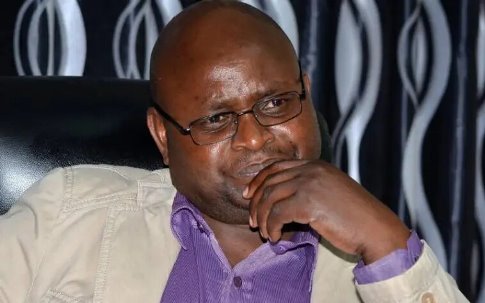

Independent Electoral and Boundaries Commission (IEBC)’s recent declaration of David Ndakwa as the winner of the November 27 by election in Malava Constituency has triggered fierce backlash from the runner-up DAP-Kenya (DAP K) candidate, Seth #Panyako.
Panyako has continued to reject the official results, and, on December 4, 2025, said, he will defy everything else and, instead, swear himself in as the “people’s Member of Parliament” in a grand-homecoming ceremony to held in #Malava.
Why Panyako says the election was stolen
Panyako – a labour union leader – insists that the result announced by IEBC does not reflect the will of Malava voters. According to him, his camp “won in 134 out of 198 polling stations,” but a supposed manipulation of results from the remaining 54 polling stations cost him the seat.
He also accused the government and security agencies of orchestrating a campaign of intimidation, bribery and targeted harassment of his agents – including alleged use of pre marked ballots – to influence the outcome.
In his words, the official declaration – handing victory to Ndakwa – does not mark the end of his political ambitions. “I have not lost this election and therefore it cannot determine my political future,” he said, pledging to remain the voice of Malava’s people.
A self swearing in: Symbolism, defiance and memories of past politics
During a recent radio appearance, Panyako drew a strong parallel between his situation and that of the late opposition leader Raila Odinga – particularly recalling the 2018 “people’s president” #swearing-in performed by Miguna Miguna. Panyako said he now understands “the pain” Odinga endured.
With this, he announced plans for a “homecoming ceremony” in Malava, where, he says, he will take the oath – claiming the mandate of the people overrides IEBC’s declaration. He told supporters: “I am going to be sworn in as people’s MP for Malava. Come what may…”
He further claimed he regretted any past statements he had made against Raila Odinga, pledging not only to reclaim what he believes is his seat but also to carry forward what he called “the spirit” of Odinga’s political legacy.
Fallout: What critics say and what remains uncertain
Observers warn that Panyako’s self swearing plan could deepen political instability in Malava. While he insists he remains emboldened by what he describes as electoral betrayal, legal and institutional processes insist the IEBC result stands until challenged in court.
Ahead of the by election, Panyako’s eligibility was already challenged on grounds that he had not resigned from his role on the board of LAPFUND within the timeframe required for public officers contesting by elections – a requirement under electoral law.
Despite the controversy, the IEBC declared the vote valid and confirmed David Ndakwa as the MP-elect with 21,564 votes, narrowly defeating Panyako’s 20,210 votes.
As things stand, no court ruling has been made to annul or revisit the results – and the legality of a self swearing in by an unsuccessful candidate remains tenuous. This raises concern among political watchers about potential clashes between Panyako supporters and state authorities, especially if he proceeds with the planned ceremony.
What happens next?
• Legal challenge: Panyako may pursue formal court action to contest the declared result.
• Public response: The planned homecoming oath taking could trigger heightened tensions in Malava, particularly if security agencies attempt to intervene.
• Institutional implications: If Panyako unilaterally swears himself in, the issue may test the limits of electoral law and the respect for institutional outcomes.
The coming days will determine whether Panyako’s defiance leads to renewed political confrontation in Malava – or whether institutional process prevails.