

There are times when working from home becomes necessary—perhaps it’s a holiday but your tasks can’t wait, or you simply didn’t finish everything you planned at the office.
Many employees, managers, and HR professionals occasionally face this situation. Working remotely, however, can be challenging for those who are not used to maintaining focus without direct supervision. Distractions at home—whether it’s children playing, a noisy spouse, or general household chaos—can make it difficult to meet deadlines and stay productive.
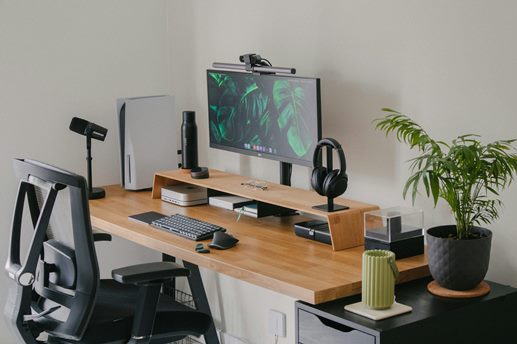
So, how can you ensure your work progresses smoothly from home? The solution lies in setting up a dedicated workspace. Every committed professional should have a home office or study area that is quiet, organized, and free from clutter. A clean, well-arranged environment can make a significant difference in maintaining efficiency and morale, allowing you to perform at your best even outside the traditional office setting.
A well-structured workspace can significantly boost your productivity and morale. Introverts often thrive in such environments, as they can focus without constant interruptions. Even extroverts benefit from a space that clearly separates work from home life, allowing them to concentrate fully during working hours.
Your Routine for Tasks
In addition to physical organization, it is important to establish a routine. Set specific working hours, take scheduled breaks, and avoid multitasking with household chores during work time. Maintaining consistency helps your brain differentiate between “home mode” and “work mode,” increasing efficiency and reducing stress.
Technology also plays a vital role. Ensure you have a reliable internet connection, necessary software, and communication tools to stay connected with colleagues and supervisors. Video conferencing, project management apps, and shared documents can replicate much of the office experience from home.
Finally, don’t forget the human element. Stay in regular contact with your team, provide updates on your progress, and actively participate in virtual meetings. Social interaction, even digitally, helps maintain motivation and keeps you aligned with team goals, making remote work more productive and fulfilling.