
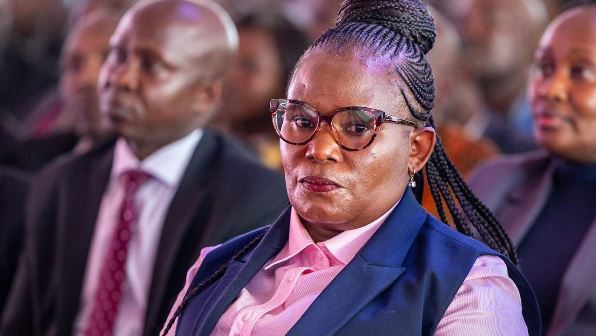

Former Meru Governor Kawira Mwangaza was impeached after sustained pressure from Members of the County Assembly (MCAs), who accused her administration of mismanaging county resources and allegedly allowing her husband and close associates undue influence in county affairs.
The accusations, which she strongly denied, centred on claims of governance failures, strained relations with the assembly, and breakdowns in consultation and accountability.
Mwangaza initially survived an earlier impeachment attempt, a victory that briefly strengthened her political standing and support among sections of the public. However, tensions between her office and the MCAs remained unresolved. The assembly regrouped and mounted a second impeachment push, arguing that the governor had failed to address the concerns raised in the first process. This time, the effort proved decisive, culminating in her removal from office after the Senate upheld the impeachment.
Her ouster marked a dramatic fall for a leader who had entered office on a populist platform, positioning herself as an outsider determined to challenge entrenched political interests. Instead, persistent institutional resistance and political isolation ultimately cost her the governorship.
Whether Mwangaza can stage a political comeback in the 2027 elections remains an open question. Kenyan politics has shown that impeachment does not necessarily spell the end of a political career. However, rebuilding trust with voters, political elites, and institutions will be critical. While her Senate impeachment dealt a serious blow, it may not permanently seal her fate if she successfully reframes her narrative and regains grassroots support.