

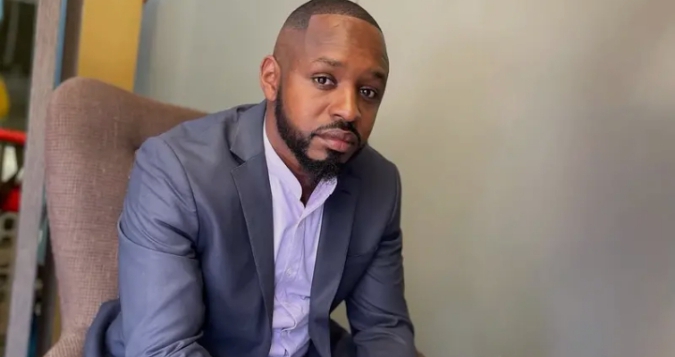

Human rights activist Boniface Mwangi has made explosive claims about events surrounding Kenya’s post-election violence, alleging a coordinated effort to suppress evidence of killings during the period.
Speaking on a podcast interview with Mwafreeka on Thursday, Mwangi said he was present in several hotspots during the violence, including Naivasha and the Kiambaa area. He claimed that major media houses were paid large sums of money to delete footage and other material documenting the killings that took place.

“I know for a fact that media houses were all paid to delete any video on killings that happened during the post-election violence,” Mwangi alleged, without providing specific details on who orchestrated the payments.
The outspoken activist said he personally managed to secure and preserve data from the scenes, including videos from Kiambaa Church and Naivasha, which he claims have never been made public. According to Mwangi, his refusal to be compromised is the reason he has remained a target of hostility.
“I have everything recorded, and that is what irritates these people with me. They know they have failed to bribe or compromise me, and it makes them angry with me all the time,” he said.
Mwangi made the remarks while reflecting on his experiences as an activist under the administrations of former President Uhuru Kenyatta and current President William Ruto. Both leaders previously faced charges at the International Criminal Court (ICC) in relation to the post-election violence, cases that were later withdrawn.
His claims have reignited debate on accountability, media integrity, and unresolved questions surrounding the post-election violence, a dark chapter in Kenya’s history that continues to demand truth, justice, and reconciliation.
Mwafreeka Alikuanga Celeb Mbaya..- Boniface Mwangi pic.twitter.com/WaD9GuPMA9
— Mwafreeka (@Mwafreeka) January 29, 2026

Boniface Mwangi is on point