
Political Brokers Should Stop Speaking on Behalf of the Luhya Community
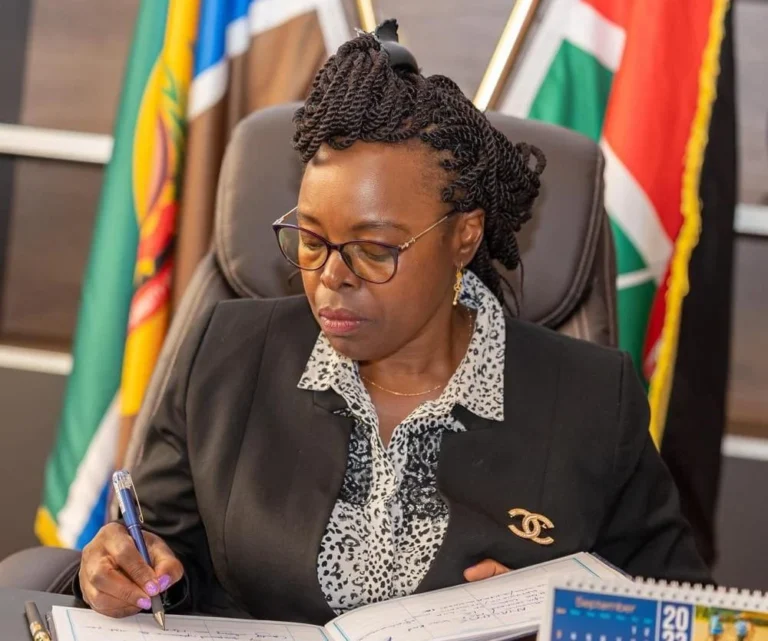
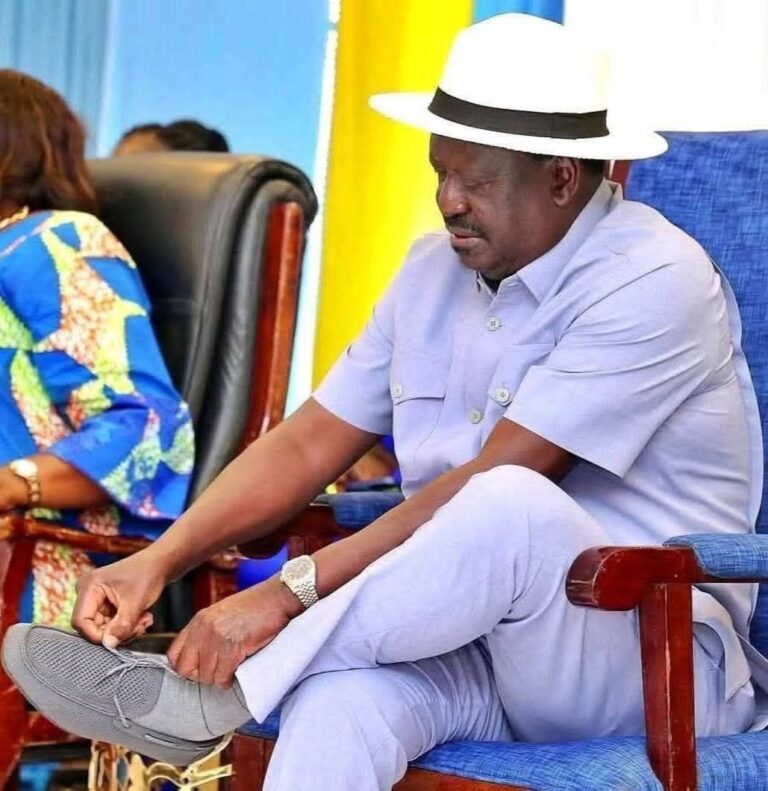
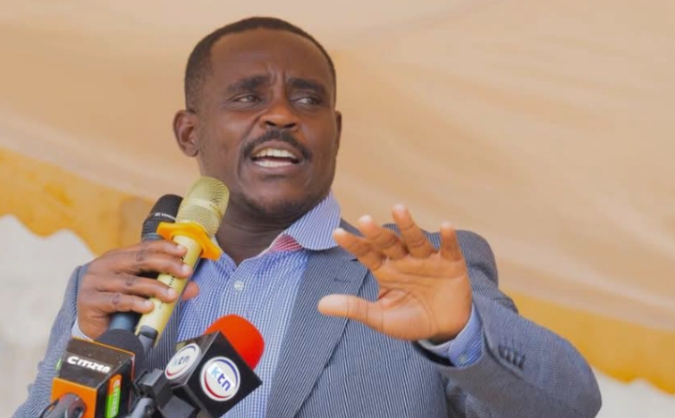
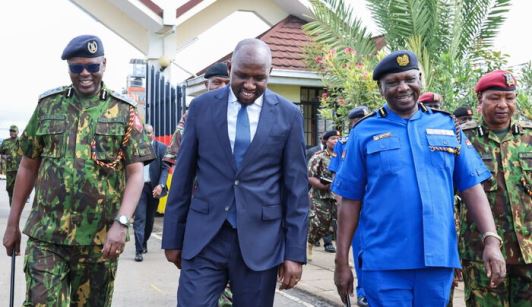
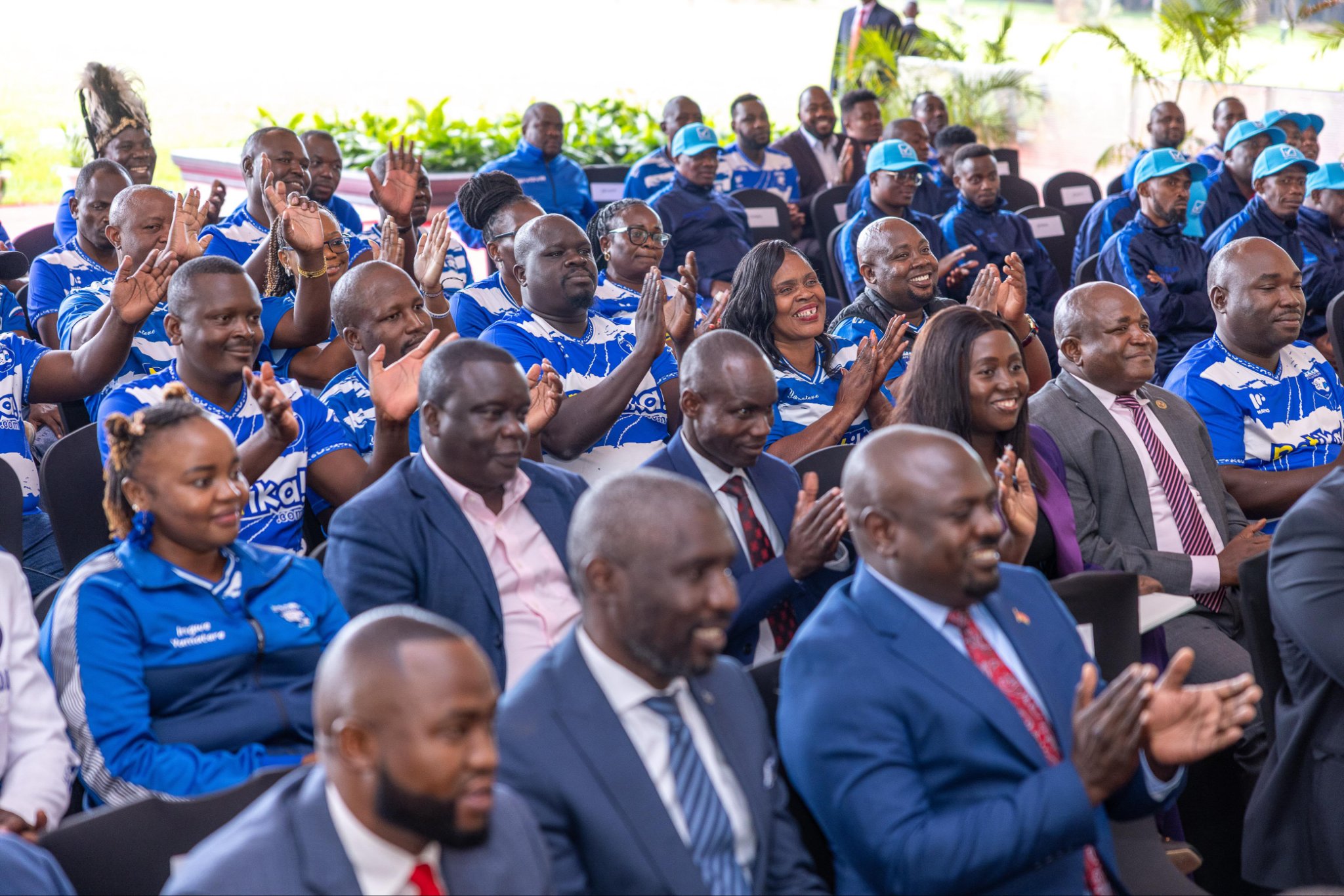
A section of leaders and representatives from the Luhya community visited State House, Nairobi, on Wednesday to meet President William #Ruto. During the meeting, some of those given an opportunity to address the President declared that the Luhya community was fully behind his 2027 re-election bid.

What I find interesting is how a handful of individuals can confidently make such sweeping declarations on behalf of an entire community. I was even more surprised when some of the attendees later addressed the media, claiming that the “Mulembe declaration” was unanimous in endorsing President Ruto’s re-election.
Who gave them the mandate to speak for millions of Luhyas?
Many of the people making these pronouncements rarely return to their villages to engage with the communities they claim to represent. Some have not been home for years, and when they do visit, they largely keep to themselves. Yet they present themselves as the authentic voice of the entire region.

Ironically, some of those loudly proclaiming total support for President Ruto continue to struggle with the realities of everyday life in places such as Kibera, Gatina, Kawangware and Kangemi. That is their lived experience, and it is difficult to understand how they can claim to represent the views of an entire community without meaningful consultation.
President Ruto should be cautious about relying on political brokers to gauge public opinion in Western Kenya. Many of these individuals are connected to politicians, mobilized for political events, and often benefit from such engagements. That does not automatically make them the voice of the Luhya community.
Support for any political leader should be earned directly from the people, not declared by a few self-appointed spokespersons. No one can honestly claim that an entire community supports a particular candidate without consulting its members – or at the very least, a significant cross-section of them.

One of the individuals who read the statement at State House is actually a friend of mine. He has my phone number and knows that I am a fellow Luhya. Yet he never sought my opinion before claiming to speak on behalf of the community. If he did not consult someone within his own circle, how can he credibly claim to have consulted the wider Luhya population?
These are indeed interesting times in our politics.
It also goes without saying that some of the President’s own remarks during the meeting have generated debate. A video circulating online appears to show President Ruto criticizing members of the community for repeatedly greeting him with Isukuti performances at public events and markets. Whether one agrees with his comments or not, those who attended the meeting should reflect on the message he intended to convey.
Well known luhya brokers purpoting to speak on behalf of the luhya community in Nairobi. Which luhyas did they consult pic.twitter.com/Sgwq3pFt5o
— Kiberenge Jnr CPA (@kiberenge79) July 16, 2026

Email: serviceske01@gmail.com | WhatsApp: +254 731 376 956