

Ruto Raises Concerns Over Conditions Attached to International Loans and Grants
President William Ruto has sparked widespread debate after making remarks about the conditions often attached to foreign aid and development financing.

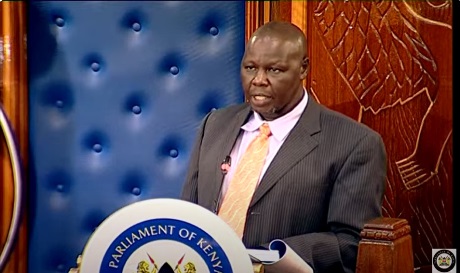
In a video that has since gone viral, the President argued that grants and loans from some developed nations can come with conditions that governments find difficult to accept.
According to Dr. Ruto, African countries seeking financial support are sometimes expected to adopt policies or implement reforms that may conflict with their cultures, beliefs, or domestic laws.
“Borrowed money comes with so many funny requirements. It’s difficult because it requires a government to accept some sexual laws, among other things. It’s a very hard task,” Ruto said.

His remarks have reignited a long-running discussion about the relationship between foreign aid and policy reforms. Supporters of the President argue that some development partners attach conditions that extend beyond economic or governance issues, including expectations on human rights and social policies that many Africans view as inconsistent with their cultural and religious values.
Questions surrounding LGBTQ rights have been among the most contentious issues in several African countries. In Uganda, President Yoweri Museveni signed legislation imposing strict restrictions on same-sex relations despite criticism from many Western governments and international organizations.
In Kenya, legal debates over LGBTQ-related rights have also generated significant public discussion, with court decisions on issues such as the registration of advocacy organizations receiving mixed reactions from different sections of society.

The broader debate over whether foreign assistance should be tied to governance, human rights, or social policy reforms continues to divide opinion across Africa, with some leaders viewing such conditions as necessary safeguards and others describing them as an infringement on national sovereignty.

Email: serviceske01@gmail.com | WhatsApp: +254 731 376 956