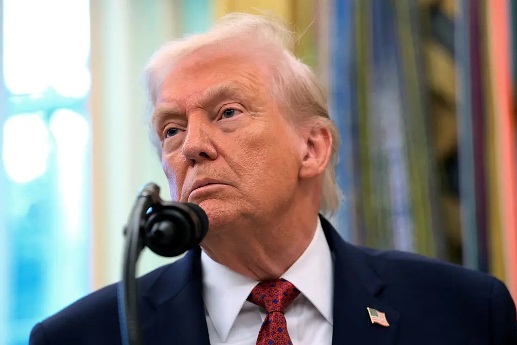

Recent electoral malpractices in Tanzania have significantly damaged the country’s standing with key international partners, most notably the United States and the United Kingdom. In a move widely interpreted as a rebuke of Tanzania’s governance and transparency, U.S. President Donald Trump on Tuesday, December 16, signed a presidential proclamation imposing partial travel restrictions on Tanzanian nationals.
The proclamation cited persistent deficiencies in Tanzania’s screening, vetting, and information-sharing processes, particularly regarding the monitoring of citizens traveling abroad. High visa overstay rates—8.3% for short-term B-1/B-2 visa holders and nearly 14% for F, M, and J visa categories covering students, dependents, and exchange visitors—were highlighted as a key concern.
“Today, President Donald J. Trump signed a proclamation expanding and strengthening entry restrictions on nationals from countries with demonstrated, persistent, and severe deficiencies in screening, vetting, and information-sharing to protect the Nation from national security and public safety threats,” the proclamation stated. It further emphasized that these measures are necessary to safeguard U.S. immigration laws, ensure cooperation from foreign governments, and advance broader foreign policy objectives.
Tanzania now joins a growing list of African nations facing partial entry restrictions, including Angola, Nigeria, Zimbabwe, and Zambia, alongside countries such as South Sudan and Syria, which face stricter bans.
Observers link this diplomatic setback directly to Tanzania’s October elections, which were marred by widespread reports of irregularities and human rights violations. Washington had previously warned the Suluhu administration of potential consequences for failing to uphold democratic norms, calling for accountability over the alleged abuses.
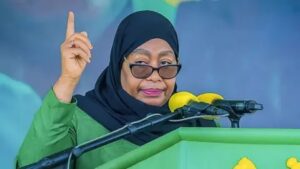
Despite pushback from President Samia Suluhu’s government, which accused international media of misrepresenting the situation, the U.S. action signals a clear warning: electoral malpractice and disregard for citizen rights carry tangible costs in international relations. The travel restrictions not only complicate Tanzanians’ access to major Western countries but also reflect broader diplomatic strains with longstanding partners like the U.K., which closely monitors governance and human rights standards in its engagement with Africa.
Exceptions in the U.S. proclamation apply to lawful permanent residents, existing visa holders, diplomats, athletes, and others whose entry serves American national interests, but the broader message remains clear: Tanzania’s recent political missteps have eroded trust with the “big boys” on the global stage.