
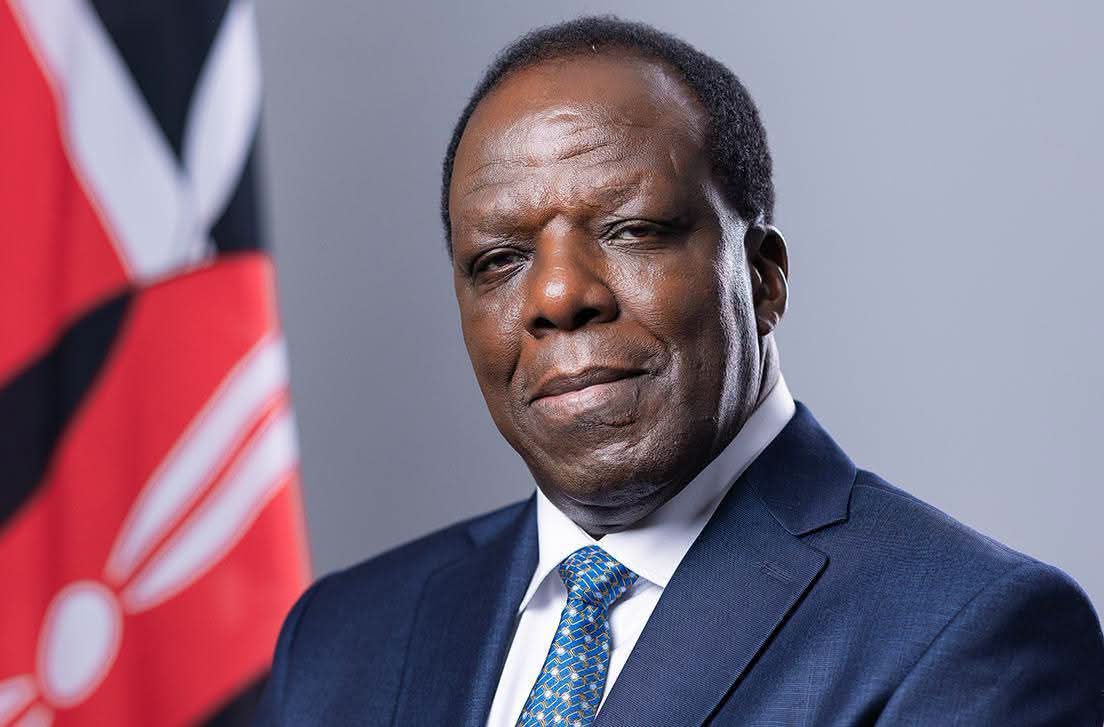
They Have Picked on Oparanya as an Afterthought
It appears that the broad-based administration may be settling on Mr. Wycliffe Oparanya as its preferred candidate for Deputy President in the next government.

Recent remarks by Suna East MP Junet Mohamed, a key ODM figure, have fuelled that perception. While addressing supporters aligned with the Linda Mwananchi movement on Sunday, Junet publicly referred to #Oparanya as “our incoming President,” a statement many have interpreted as an indication that he could become the coalition’s preferred running mate.
Kileleshwa MCA Robert Alai has echoed a similar position, suggesting that those unhappy with the direction should simply step aside.
“Our Deputy President. If you are not aligned, don’t bother us.”

On the surface, such declarations may appear to project unity and confidence. However, from a political standpoint, I believe the strategy could prove counterproductive.
In my view, the political concerns of the Luhya community have never been limited to whether one of their own occupies the Deputy President’s office. This post has been held before and those who held it never became presidents. So it’s neither here nor there! The issues run much deeper than the allocation of a single position.
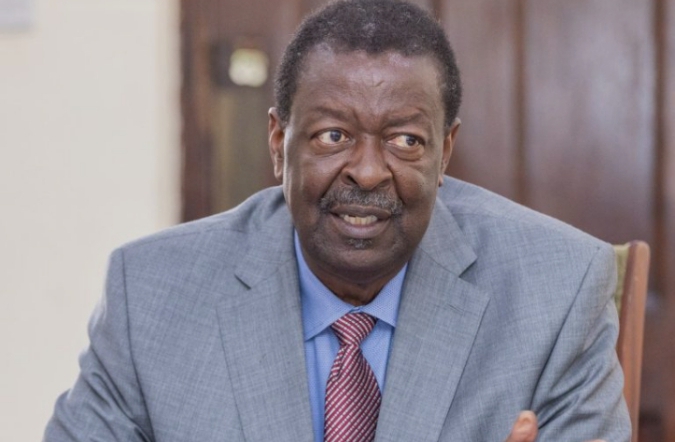
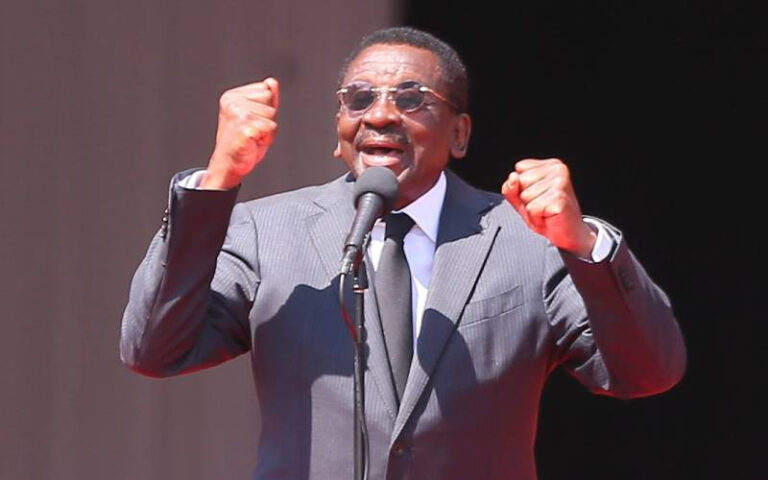
Equally, relying on established political figures such as Wycliffe Oparanya, Musalia Mudavadi or Moses Wetang’ula may not necessarily shift the political mood in Western Kenya. Many voters in the region have become more discerning and are increasingly looking beyond familiar faces. Some also believe that the ODM leadership failed to adequately appreciate the Luhya community’s long-standing support after Raila Odinga passed on. Whether that perception is fair or not, it remains part of the political conversation.

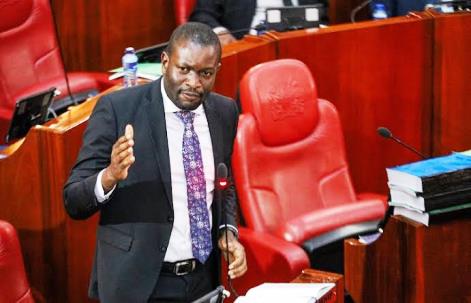
At the same time, Nairobi Senator Edwin Sifuna continues to gain visibility and influence, particularly among younger voters. In my opinion, his political momentum in Western Kenya is growing steadily, and any leader seeking to challenge that influence will have to invest significant political effort and resources.
Oparanya would therefore face an uphill task if he hopes to counter Sifuna’s appeal in the region. It would require sustained grassroots mobilisation and a compelling political message.
Sifuna’s strengths are also evident. He is relatively young, energetic, and presents himself as a fresh face in national politics. He has largely avoided major political scandals and has demonstrated an ability to connect with different audiences. Those qualities make him a formidable political figure and one to watch in the years ahead.
And during Gen Zs protests in June, Sifuna was always present to support them. This reality is difficult to just wish away in the remaining few months.

Email: serviceske01@gmail.com | WhatsApp: +254 731 376 956