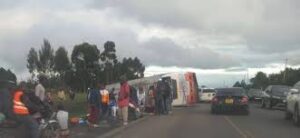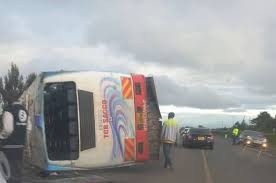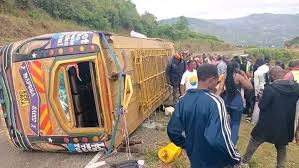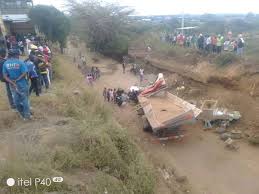
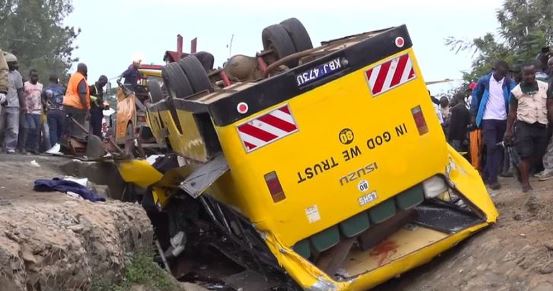

The Karai area, along the busy Nairobi–Nakuru Highway near Naivasha, has long been notorious as one of Kenya’s most dangerous road sections. Dubbed a “blackspot,” it has witnessed frequent fatal crashes, often involving speeding, reckless overtaking, and head-on collisions, raising serious concerns about road safety.
One of the most catastrophic incidents occurred on December 11, 2016, when a vehicle carrying highly flammable industrial chemicals exploded at Karai. The fireball engulfed multiple vehicles, killing at least 40 people and injuring dozens more, leaving charred wreckage scattered along the highway.
More recently, on December 13, 2025, former Cabinet Minister and Lugari MP Cyrus Jirongo died in a head-on collision with a bus near the same stretch. He was driving from Nakuru toward Nairobi in the early hours when his vehicle collided with a Climax Company bus. Jirongo was pronounced dead at the scene, highlighting once again the inherent risks of driving through Karai at night.
On January 5, 2026, another tragedy struck when a bus and a matatu collided, killing at least nine people, including two minors, and injuring several others. Police investigations linked the crash to high speeds and poor overtaking decisions – a recurring pattern in this perilous stretch of the A104 highway. Other fatal crashes, including bus rollovers and private vehicle collisions, have also occurred over the years, with some claiming multiple lives.
The Karai blackspot’s danger stems from a combination of factors: heavy traffic, poor road visibility, speeding, and the lack of modern safety infrastructure such as central barriers and guardrails. Despite repeated warnings and safety campaigns, accidents continue to happen, particularly at night and during rainy conditions.
In response, the government has pledged upgrades along the Nairobi-Nakuru Highway, including road markings, barriers, and speed-reduction measures. Officials say these interventions are essential to prevent further loss of life and to make Karai a safer passage for motorists, passengers, and transport operators.
Karai’s tragic history remains a sobering reminder of the importance of strict traffic enforcement, proper infrastructure, and responsible driving on one of Kenya’s busiest highways.