
Kenyans Face Ksh3.2 Billion Loss After Cancelled Fuel Deal Sparks Probe
Kenyans could shoulder losses of up to Ksh 3.2 billion after the government cancelled a disputed fuel import deal involving a tanker that had already been secured for delivery, exposing taxpayers to costly compensation claims.

The financial hit arises from the abrupt termination of a procurement contract awarded to a shipping firm before the vessel docked at the Port of Mombasa, raising fresh concerns about transparency and adherence to procurement procedures in the energy sector.
A Senate Energy Committee has since opened investigations into the cancellation, alongside allegations of fuel imports conducted outside the government-to-government (G-to-G) framework.
The tanker, said to be carrying 96 tonnes of fuel, had been scheduled to arrive in the country before the deal was called off, prompting the importer to file a compensation claim against the government.

While appearing before the committee, company manager Angeline Maangi said the firm acted on instructions from the Ministry of Energy and is now seeking to recover losses amounting to Ksh 3.2 billion.
“The damages we incurred are upwards of 25 million dollars, that is Ksh3.2 billion, in the form of demurrage, premiums, and other related costs. Our pricing simply reflected the global market at the time, where supply disruptions forced us to compete with Asian buyers at any cost,” Maangi stated.
In response, the government has launched recovery efforts targeting importers linked to the controversial transaction, aiming to shield public funds from further exposure.

The deal is also under scrutiny over claims that fuel was procured at inflated prices ranging between Ksh 50 and Ksh80 per litre – significantly above rates under the G-to-G arrangement.
Meanwhile, the Ethics and Anti-Corruption Commission (EACC) has clarified that it has not initiated investigations, noting that the matter is currently under criminal review.
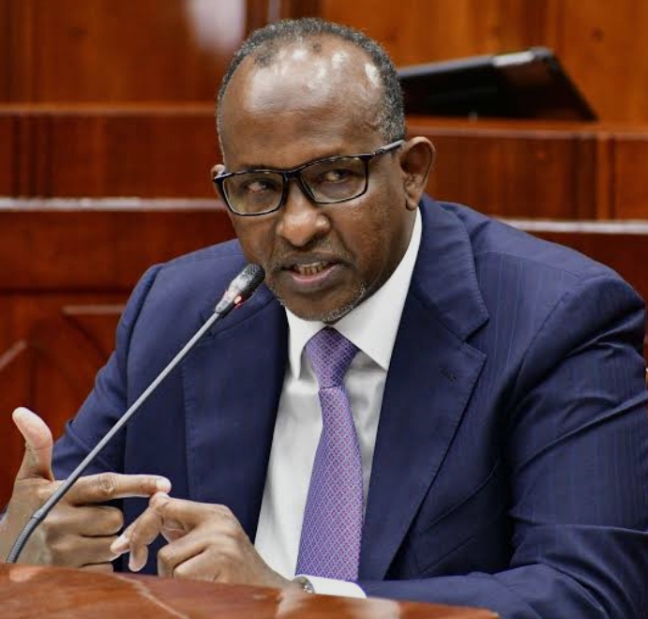
EACC Chairperson Abdi Mohamud said the Directorate of Criminal Investigations (DCI) is already handling the case, adding that the commission will only step in if necessary to avoid duplication.
“That matter is being handled by DCI. In order to avoid parallel investigations, we are not going to commence any investigations. Once DCI starts, we leave it to them to conclude on that and later see if they conclude and we have something on that,” Mohamud said.
The developments come as Kenyans prepare for higher fuel costs following the latest review by the Energy and Petroleum Regulatory Authority (EPRA), which pushed pump prices above the Ksh 200 mark.
In its April 14 announcement, EPRA raised Super Petrol prices by Ksh 28.69 per litre and Diesel by Ksh 40.30 per litre, while kerosene prices remained unchanged.

Email: serviceske01@gmail.com | WhatsApp: +254 731 376 956