

IEBC Reports Surge in Voter Registration Following #NikoKadi Initiative
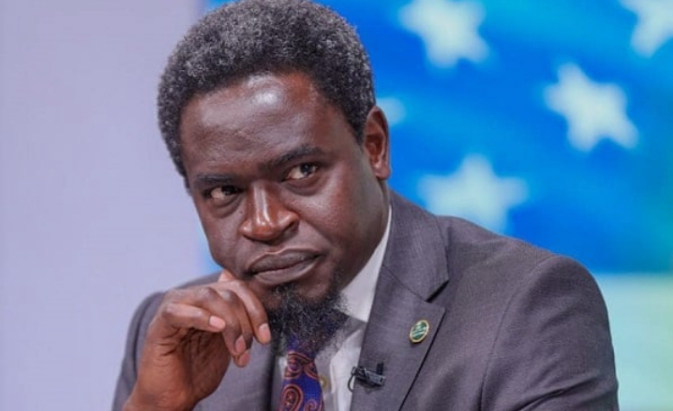
Independent Electoral and Boundaries Commissioner Dr. Alutalala Mukhwana has acknowledged the growing impact of the #NikoKadi voter initiative, noting a marked increase in registrations across Kenya since the program’s launch in Kasarani last week.

Speaking to Citizen TV on March 3 with Yvonne Okwara, Dr. Mukhwana said the process is quick, taking roughly ten minutes, and emphasized that first-time voters can register from any location.
“As of today, we have registered 250,391 new voters,” Dr. Mukhwana reported. “The new enrollments are primarily in urban and peri-urban areas, with Nairobi leading, followed by Kiambu, Machakos, Nakuru, and Mombasa.” He noted, however, that arid regions such as Isiolo, Mandera, and Tana River continue to lag due to low population density.
Youth engagement remains a key concern. While 32.65% of new registrants are under 35, the 18–20 age group is the least represented. “Low motivation and limited awareness among young people highlight the need for expanded civic education,” Dr. Mukhwana said.

Gender distribution among new registrants is nearly balanced, with 50.9% male and 49.1% female. “The bulk of those registering are over 35, accounting for 67.35% of new voters,” he added, noting that total registered voters in 2026 stood at 22,352,923 before these recent additions.
For those seeking to transfer their voting station, Dr. Mukhwana clarified that the process must be done in person at the constituency of choice, with biometric verification conducted by a registration officer. This measure is intended to prevent fraudulent or mass transfers.
On voter identification, he explained that the card issued upon registration serves as proof of registration but is not required on election day. Eligible voters need only present their national ID or passport, depending on the document used during registration.

Dr. Mukhwana assured that the IEBC has prepared adequately for nationwide voter registration, deploying sufficient personnel and employing door-to-door and segmented strategies to reach as many Kenyans as possible. “Our goal is a seamless process that ensures every eligible citizen can participate in shaping the country’s future,” he concluded.

Email: serviceske01@gmail.com | WhatsApp: +254 731 376 956