

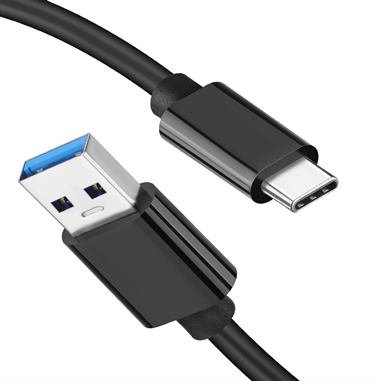

Kenya is moving to eliminate low-end mobile phones that rely on outdated charging systems, following a new directive requiring all devices sold or manufactured in the country to support USB Type-C ports. The shift is part of a broader effort to modernise the mobile market while aligning with global standards aimed at improving convenience and reducing electronic waste.
Under the new requirement, manufacturers and importers must ensure that all phones entering the Kenyan market are equipped with USB Type-C charging capability. This effectively sidelines older devices that depend on legacy connectors such as micro-USB, which have long dominated the low-cost segment. Industry observers say the move will gradually phase out cheaper, lower-quality phones that often lack durability and compatibility with newer accessories.

Regulators argue that adopting a universal charging standard will benefit consumers by reducing the need for multiple chargers and cables, lowering long-term costs, and improving user experience. At the same time, the policy is expected to cut down on electronic waste, as fewer obsolete chargers will be discarded when users upgrade their devices.
The directive mirrors similar measures adopted in other parts of the world, where governments are pushing for standardisation to address environmental concerns and streamline technology ecosystems.
While the transition may initially affect affordability in the low-end market, analysts believe it will encourage manufacturers to produce better-quality entry-level smartphones that meet modern standards, ultimately reshaping Kenya’s mobile phone landscape.