
US Defends Kenya Choice for Ebola Quarantine Facility as Ruto Confirms Trump Request
The United States government has defended its decision to establish an Ebola quarantine and treatment facility in Kenya, saying the country was selected due to its strategic proximity to affected patients and the need for a faster medical response.

Speaking during a media interview, Dr. Mehmet Oz said Kenya emerged as the preferred location after careful consideration of logistical and medical factors.
According to him, transporting patients to distant countries, including the United States, would pose greater risks and consume valuable time during emergency response efforts.
“We are confident the State Department will be able to work something out with Kenya,” Dr. Oz said while addressing concerns surrounding the proposed facility.

He explained that Kenya was chosen because it is closer to the patients requiring specialized care, making it easier and safer to manage treatment and containment efforts in time. However, he emphasized that the United States still has other options available should the arrangement with Kenya fail to materialize.
Dr. Oz noted that several countries had expressed willingness to assist, adding that Washington was not running out of alternatives for handling the patients.
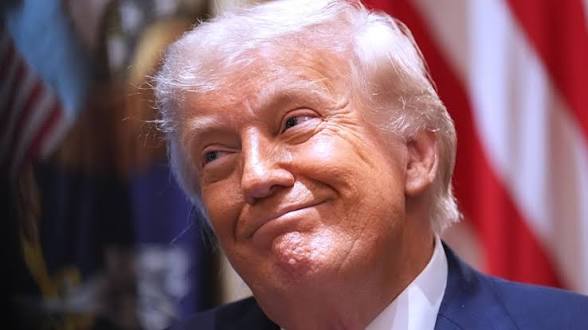
His remarks come days after President William Ruto publicly acknowledged that he had been approached by US President Donald Trump regarding the establishment of the medical camp in Laikipia County.

During a live media interview in Kajiado, Ruto confirmed that he personally approved the request after consultations with the US government.
He defended the decision, arguing that the facility would be fully funded by the United States and would also benefit from the deployment of American medical experts to support treatment and disease management efforts.
The President further noted that the United States has been a longstanding development partner for Kenya, particularly in sectors such as healthcare, agriculture, and climate change.
Dr. Ruto maintained that the collaboration would strengthen Kenya’s capacity to respond to public health emergencies while advancing broader bilateral cooperation between the two countries.

Email: serviceske01@gmail.com | WhatsApp: +254 731 376 956