

Wanjigi: This is why Wealthy Individuals own Expensive Wrist Watches
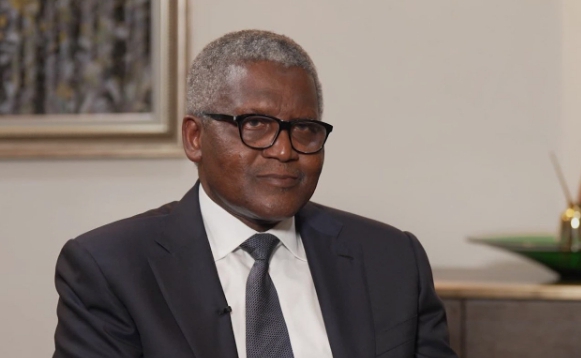
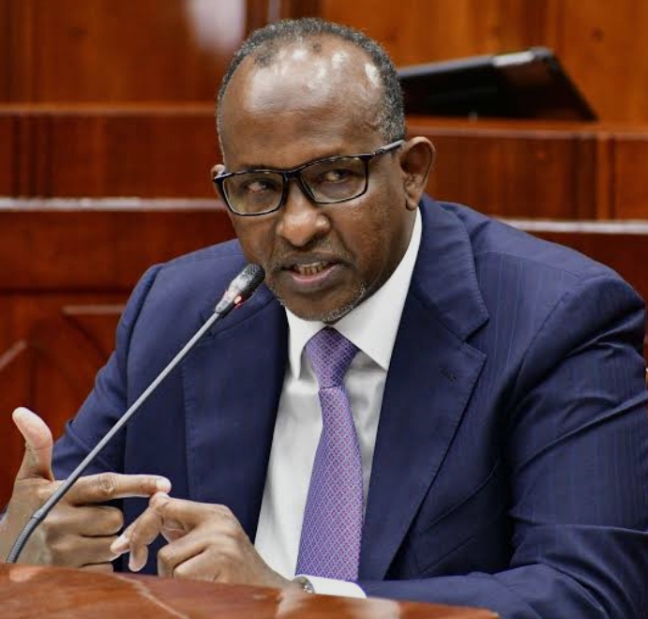
Kenyan billionaire Jimmy Wanjigi has sparked debate after explaining why many wealthy individuals invest in high-end watches, describing them as both status symbols and strategic financial assets.

According to Wanjigi, luxury watches are not just about prestige, they hold real economic value. Unlike many consumer goods that depreciate over time, certain premium watch brands such as Rolex, Patek Philippe, and Audemars Piguet often retain or even increase in value, especially limited editions or rare models. This makes them attractive as alternative investments.
He further argued that these timepieces offer a unique advantage in terms of portability and liquidity. Wealthy individuals including controversial figures can move across borders with expensive watches more discreetly compared to cash or other assets. Since wristwatches are personal items, they tend to attract less scrutiny at airports, making them easier to transport and sell internationally if needed.
Wanjigi’s remarks on Dr. Kingori podcast highlight a lesser-known aspect of wealth management using luxury goods as mobile stores of value. In essence, high-end watches can function almost like wearable assets, combining convenience, discretion, and potential financial return.

However, while the idea may appeal to the wealthy, it also raises questions around regulation, transparency, and the potential misuse of such assets in financial systems.
In summary, Businessman Wanjigi presents luxury watches not just as fashion statements, but as strategic tools for preserving and moving wealth – an insight into financial practices often hidden from the public eye.


Email: serviceske01@gmail.com | WhatsApp: +254 731 376 956