
Leaders Clash Over G-to-G Fuel Deal as Calls for Special Parliamentary Sitting Intensify
A sharp public rift has emerged among senior Kenyan leaders over the controversial government-to-government (#G-to-G) fuel import arrangement, with top figures raising questions about transparency, accountability, and its overall structure.

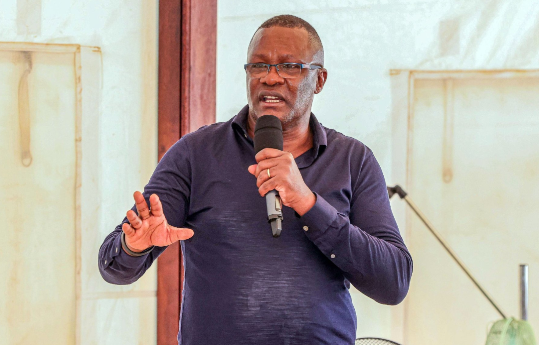
Former Attorney General Justin Muturi revealed that while still in government, he was presented with the proposed deal by advisers but raised immediate concerns about its legitimacy.
According to Mr. Muturi, while the Saudi government was clearly identified on one end of the agreement, it was unclear who exactly represented the Kenyan government on the other side. He questioned why established state agencies such as Kenya Pipeline Company and National Oil Corporation of Kenya were not directly involved in executing the deal.
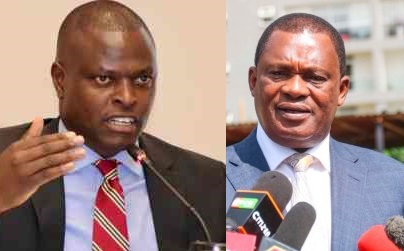
Kiharu MP Ndindi Nyoro took a more critical stance, dismissing the G-to-G framework as a façade. He alleged that the arrangement operates more like a private enterprise designed to generate profits for a select group of senior government officials, rather than serving the public interest. Nyoro’s remarks add to growing skepticism about the deal’s structure and beneficiaries.

Meanwhile, former Deputy President Rigathi Gachagua escalated the matter by calling on President William Ruto to take urgent action. Gachagua demanded that the Speaker of the National Assembly of Kenya convene a special sitting within seven days to address what he termed as pressing national concerns surrounding the deal.
He warned that failure to act could trigger nationwide mass action, signaling a potential escalation of political tensions as scrutiny over the fuel agreement intensifies. #GtoG


Email: serviceske01@gmail.com | WhatsApp: +254 731 376 956